
Wholesaler vs Manufacturer: Choosing the Right Supply Chain Partner
Product sourcing decisions can directly affect how much inventory a business holds, how many products it can offer, and how much capital it needs for each order. Understanding Wholesaler vs Manufacturer is therefore important when deciding how and where to purchase products for resale. In this guide, QH Distribution will explain how wholesalers vs manufacturers work, their advantages and limitations, and the factors businesses should consider when choosing a supply chain partner.
What Is a Wholesaler?
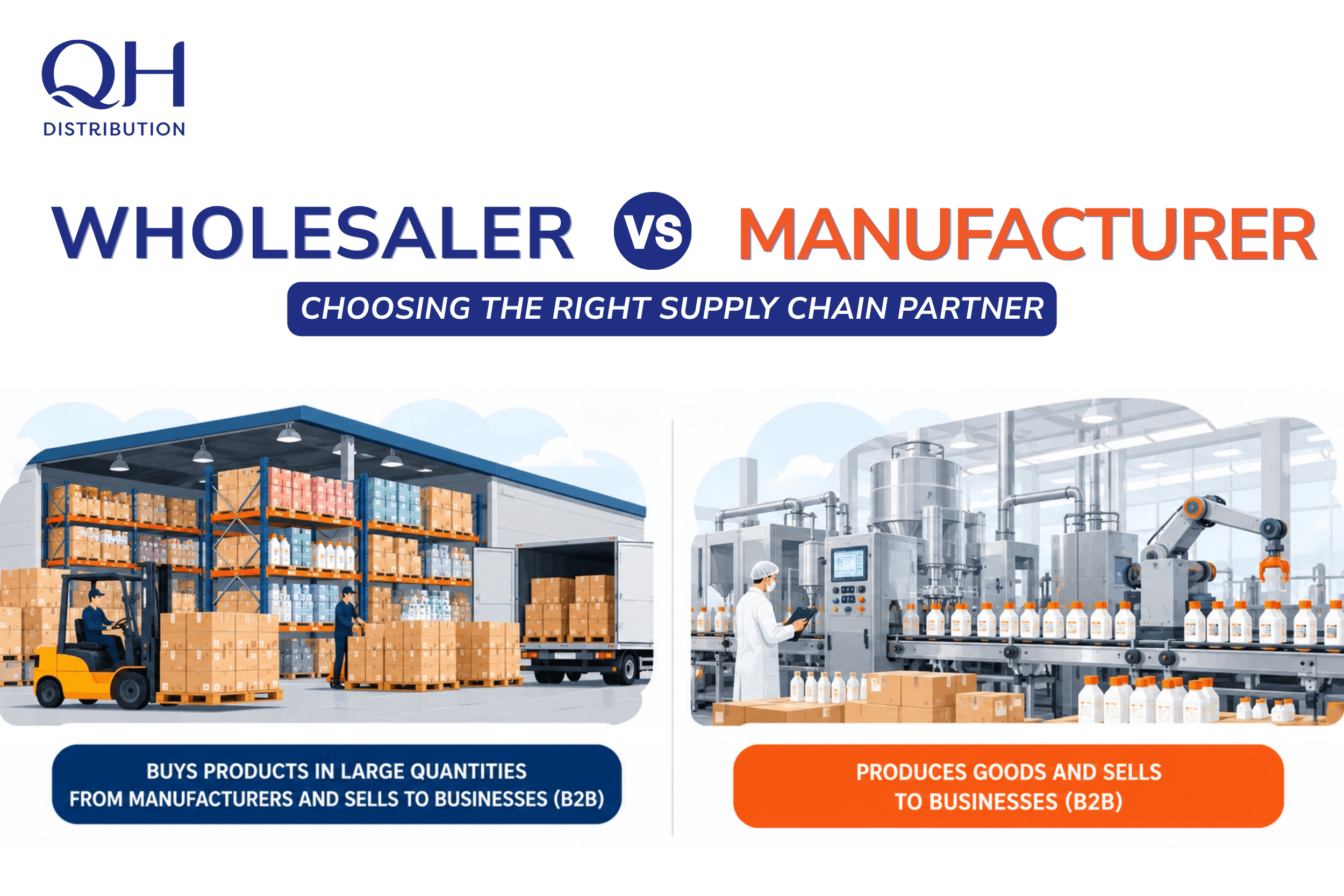
A wholesaler purchases products in bulk and resells them to retailers, resellers, and other businesses. Instead of producing the products, wholesalers act as an intermediary between product sources and business buyers.
For example, a beauty wholesaler may carry skincare, makeup, haircare, and body care products from different brands. A beauty store can select products across these categories based on its inventory needs and customer demand.
Advantages of Working With a Wholesaler
- Access to multiple products, brands, or categories
- More flexibility when building a mixed product assortment
- Potentially more manageable order quantities
- Easier testing of new SKUs and product categories
- Fewer supplier relationships to manage
- Access to products that may already be available in inventory
Limitations of Working With a Wholesaler
- Unit prices may be higher than direct manufacturer pricing at large volumes
- Product availability depends on the wholesaler’s inventory
- Customization options are usually limited
- MOQ and purchasing conditions can vary by product or brand
What Is a Manufacturer?
A manufacturer produces finished goods or components using raw materials, equipment, labor, and established production processes. Manufacturers may sell directly to businesses or use wholesalers and distributors to bring products to different markets. Their main responsibilities generally involve production, quality control, product specifications, and production capacity.
Advantages of Buying From a Manufacturer
- Competitive unit pricing for large-volume orders
- Direct communication with the product source
- Access to detailed production specifications
- Customization opportunities where available
- Greater control over certain product requirements
Limitations of Buying From a Manufacturer
- Higher minimum order quantities
- Larger upfront inventory commitments
- Longer production lead times
- Fewer brands or categories available through one supplier
- Additional storage requirements for large orders
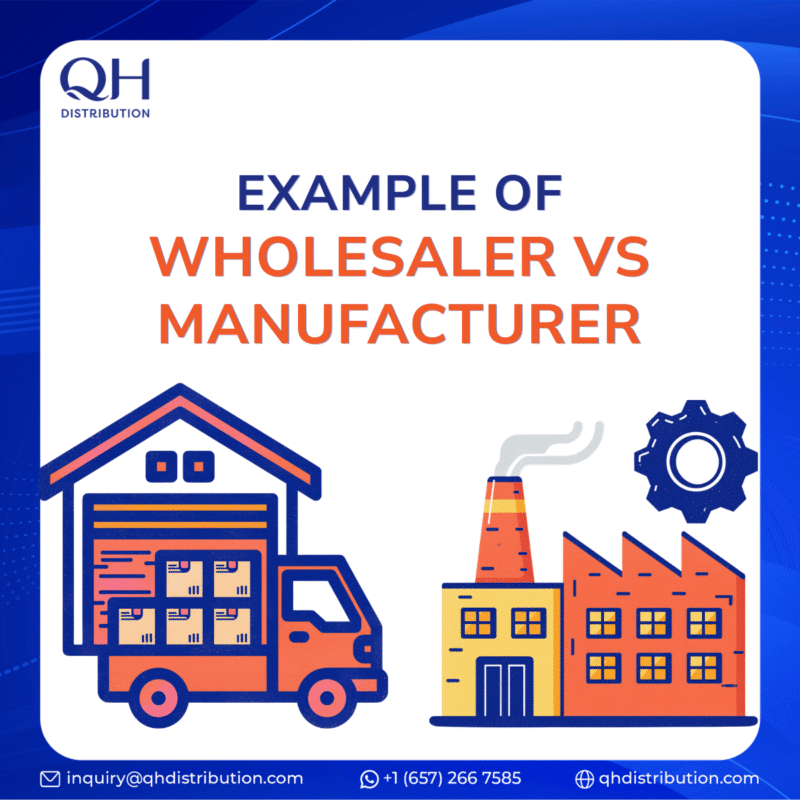
Example of Wholesaler vs Manufacturer
Consider a beauty retailer that wants to stock CeraVe skincare products such as cleansers, moisturizers, and facial treatments. If the retailer purchases through the manufacturer or its direct sales channel, it may need to follow specific order quantities, account requirements, and purchasing terms. This approach can suit businesses with consistent demand for larger volumes of CeraVe products.
Now consider a retailer that wants to stock CeraVe alongside products from several other skincare, makeup, haircare, and body care brands. Managing separate purchasing relationships for each brand can involve different MOQs, order terms, and shipments. A wholesaler carrying multiple beauty brands can provide a more centralized way to build this type of assortment.
Here is the difference in a simple purchasing scenario between buying from a wholesaler vs manufacturer:
| Buying From a Manufacturer | Buying From a Wholesaler |
| The retailer focuses primarily on products from one manufacturer’s portfolio. | The retailer can source products from multiple brands through one supplier. |
| The order may require larger quantities of selected products. | The order can potentially include a broader mix of SKUs and categories. |
| Purchasing terms are based on the manufacturer’s requirements. | Purchasing terms depend on the wholesaler and individual brand requirements. |
| Best suited to consistent demand for specific product lines. | Better suited to retailers building a varied, multi-brand assortment. |
Wholesaler vs Manufacturer: Which Should You Choose?
The right choice depends on what your business needs from its supply chain. Order volume, assortment strategy, available capital, and customization requirements can all influence the decision.
Choose a Wholesaler for Assortment Flexibility
A wholesaler may be a practical choice when your business wants to carry multiple products without committing heavily to a single SKU. This model can fit businesses that:
- Sell products from multiple brands
- Need several product categories
- Regularly test new SKUs
- Want to manage inventory commitments
- Prefer more centralized purchasing
Choose a Manufacturer for Scale or Customization
A manufacturer may be more suitable when purchasing volume is high enough to support direct orders or when the business requires specific product features. This model can fit businesses that:
- Have predictable demand for particular products
- Purchase large quantities
- Need custom formulations or packaging
- Want to develop private-label products
- Can manage longer production and purchasing cycles
Why Choose QH Distribution as Your Distributor?
QH Distribution is a U.S.-based beauty distributor with more than 40 years of industry experience. The company works with more than 290 beauty brands worldwide and supports retailers, resellers, salons, and other B2B buyers across multiple markets.
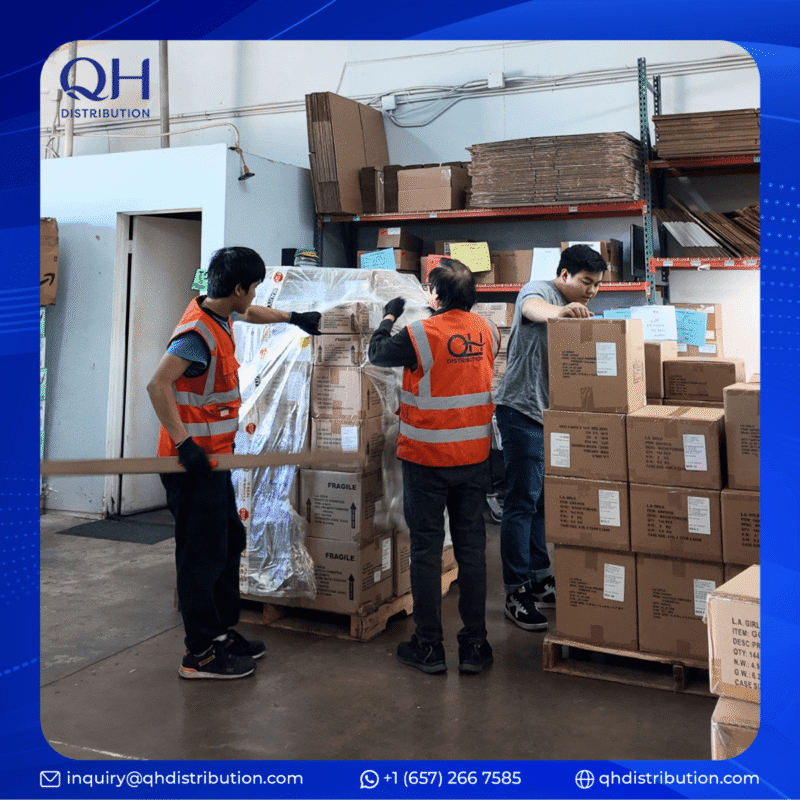
Multi-Brand Beauty Sourcing
QH Distribution offers products across skincare, makeup, haircare, body care, and other beauty categories. This gives retailers the opportunity to source multiple brands and product types through one B2B partner rather than managing separate purchasing relationships for every category.
Wholesale Ordering Support
The QH team supports buyers with product availability, SKU selection, quotations, and order coordination. Order requirements depend on the applicable MOQ and individual brand conditions, allowing buyers to review their options before confirming a purchase.
Authentic Beauty Products
QH Distribution supplies authentic beauty products sourced through reliable channels. For retailers selling established brands, consistent access to genuine products is important for maintaining customer trust and protecting the credibility of their product assortment.
Wholesaler vs Manufacturer represents two different approaches to product sourcing. Wholesalers can provide greater assortment flexibility and access to multiple products, while manufacturers can be suitable for large-volume purchasing, customization, and direct production relationships.
For businesses looking to simplify multi-brand beauty sourcing, QH Distribution provides a centralized option for purchasing products across different beauty categories.