


Wholesale Supplies for Boutiques: Find Reliable Suppliers
Finding the right wholesale supplies for boutiques means balancing product variety, customer demand, inventory levels, and profit margins. For beauty boutiques, the right product mix can help meet customer needs while keeping purchasing and inventory decisions manageable.
From everyday skincare and makeup to trending beauty products and retail supplies, boutiques need to choose products and suppliers carefully. In this guide, QH Distribution covers what to source, where to find reliable suppliers, and what to check before placing a wholesale order.
What Wholesale Supplies Do Boutiques Need?
A successful beauty boutique needs a balanced product assortment that serves different customer needs and purchasing behaviors. From everyday skincare to niche beauty products, each category can play a different role in the store.
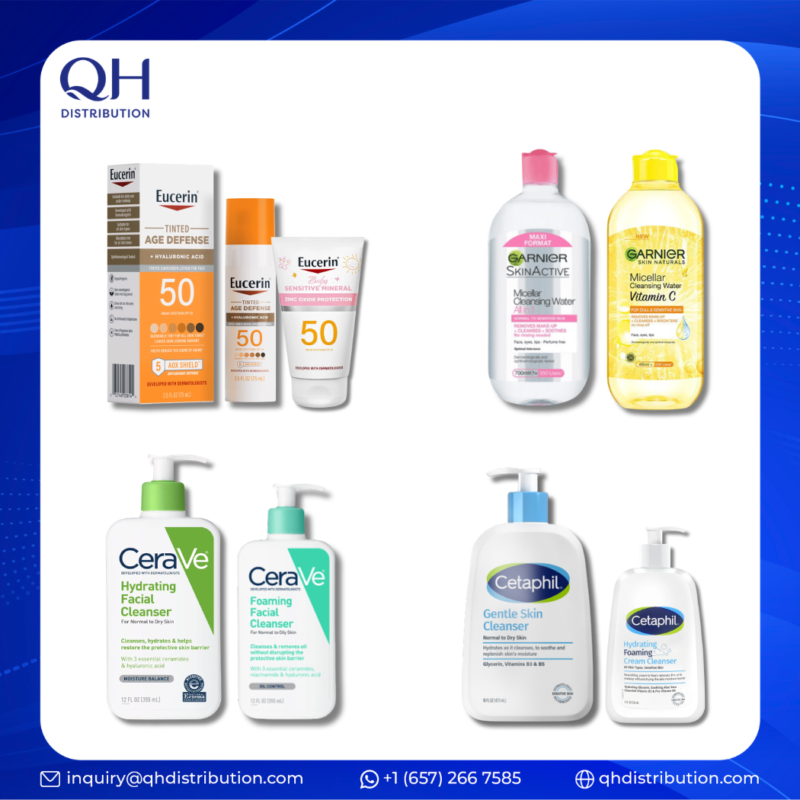
Core Skincare Essentials
Products: Cleansers, serums, moisturizers, and sunscreens.
Skincare essentials can form the foundation of a beauty boutique’s product range because customers often repurchase everyday products. Boutiques should prioritize established brands and products that match their target customers’ skincare needs and price points.
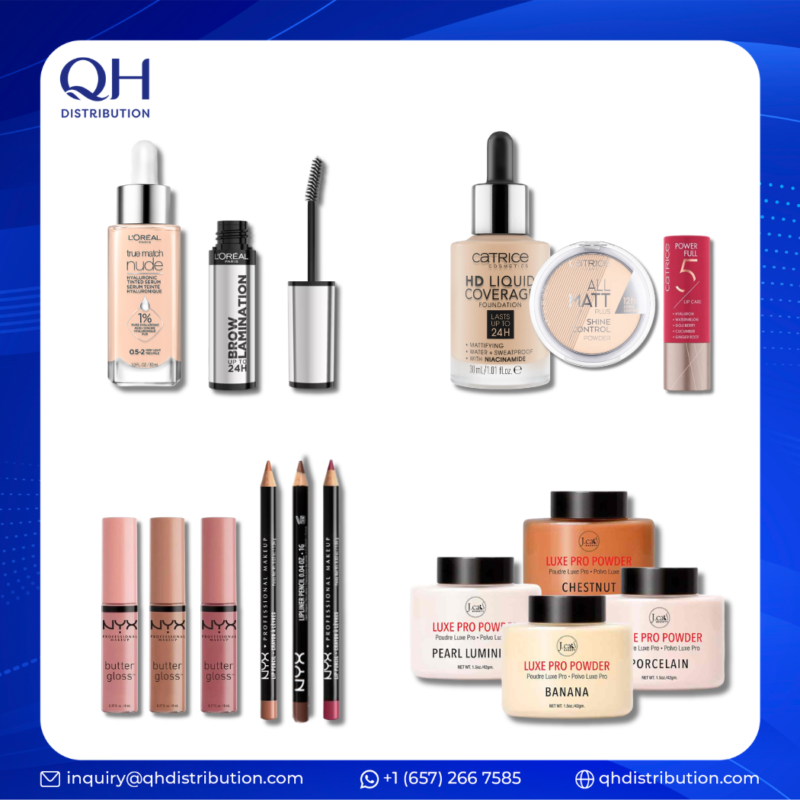
Color Cosmetics & Makeup
Products: Foundations, lipsticks, eye palettes, and blushers.
Makeup products can create visual appeal and encourage customers to explore products in-store. Testers and attractive displays can also support the in-store beauty experience, especially for products where customers want to see shades, textures, or finishes before purchasing.
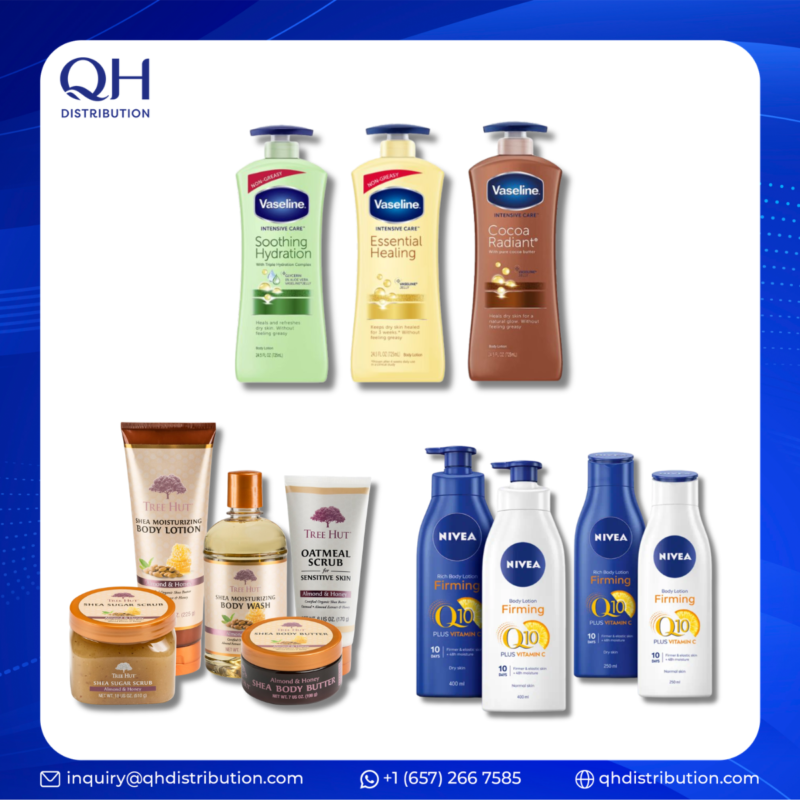
Haircare & Body Care
Products: Treatment oils, shampoos, conditioners, body lotions, and body washes.
Haircare and body care products can complement skincare purchases and create opportunities for cross-selling. For example, a customer purchasing facial skincare may also be interested in hair or body care products from the same brand.
Niche & Trending Beauty
Products: K-Beauty, J-Beauty, organic and vegan products, and products featuring trending ingredients such as niacinamide, retinol, centella, and peptides.
Niche and trending products can help boutiques differentiate their assortment from larger retail chains. However, retailers should monitor demand carefully because some trends may have a shorter sales cycle than established everyday products.
Retail Supplies & POS Marketing Materials
Products: Tester units, branded display stands, sample sachets, and gift-with-purchase (GWP) items.
Retail supplies can support product presentation and improve the shopping experience. Depending on the supplier, boutiques may also be able to source testers and promotional materials alongside their wholesale products.
Where to Find Wholesale Supplies for Boutiques?
Boutique owners can source beauty products through several channels, including B2B distributors, trade shows, wholesale marketplaces, and manufacturers. The right option depends on the boutique’s product needs, order volume, and sourcing goals.
Established B2B Distributors
B2B distributors are suitable for boutiques that want to source multiple brands or product categories through one supplier. This option can simplify purchasing and give retailers access to a broader product assortment without contacting each brand separately.
Trade Shows & Beauty Expos
Trade shows such as Cosmoprof, Beautyworld, and IECSC are useful for retailers that want to discover new brands and meet suppliers in person. These events can also help boutique owners evaluate products directly and build supplier relationships before placing an order.
B2B Wholesale Marketplaces
Online platforms such as Faire, Abound, and Alibaba allow retailers to discover products and suppliers from different markets. They can be useful for boutiques exploring new brands or comparing different product options without attending physical events.
For branded beauty products, retailers should verify supplier authorization, product origin, and relevant documentation before placing an order.
Direct From Manufacturers
Buying directly from manufacturers can be an option for boutiques with larger purchasing volumes or specific product requirements. This channel can provide direct communication with the source, but it may involve higher order quantities and more complex international purchasing procedures.
Before choosing a sourcing channel, boutiques should consider whether it fits their order volume, product assortment, budget, and purchasing capabilities.
How to Choose the Right Wholesale Supplies for Boutiques?
Choosing a supplier based only on price can create problems later. Boutique owners should evaluate product authenticity, profitability, MOQ, logistics, documentation, and customer support before establishing a long-term partnership.
Product Authenticity & Transparency
Suppliers should be able to provide relevant product and business documentation where applicable, such as invoices, product specifications, or a Certificate of Analysis (COA).
Retailers should also clarify product origin, traceability, expiration dates, and storage conditions before placing an order.
Profit Margin Potential
Wholesale pricing should leave enough room for boutiques to account for operating expenses and target their desired gross margin. Instead of looking only at the unit price, calculate the expected selling price, landed costs, promotional discounts, and other applicable expenses before selecting a product.
A product with a low wholesale price may still have a higher overall cost after shipping, duties, or other fees are included.
Flexible MOQ
A flexible MOQ allows boutiques to test new products without committing too much capital to a single SKU. This can be particularly useful when introducing niche or trending products with less predictable demand.
Before ordering, check whether the supplier sets MOQs by SKU, brand, product category, or total order value. This gives retailers a clearer picture of how much inventory they need to purchase.
Logistics & Supply Chain Efficiency
Reliable logistics can affect inventory availability and customer satisfaction. Before ordering, check the supplier’s processing time, international shipping capabilities, packaging standards, and procedures for handling damaged products.
Retailers should also confirm estimated delivery times and shipping costs so these factors can be included in the total sourcing calculation.
Customer Support & Dedicated Account Management
Responsive customer support can make wholesale purchasing easier, particularly for international orders. A dedicated account manager can help retailers with product information, order requirements, shipping details, and issues involving damaged or missing products.
Before choosing a supplier, consider response times, communication quality, and how the company handles order changes or problems.
What to Consider Before Placing a Wholesale Order?
Before signing an agreement or making payment, boutique owners should review several key B2B purchasing factors.
Legal & Reseller Requirements
Check whether your business has the necessary retail registration, tax identification, reseller permit, or other documents required in your market.
Some suppliers may also require business verification before providing wholesale pricing or opening a B2B account.
Total Landed Cost Analysis
The wholesale price is only one part of the actual cost of bringing products into your warehouse.
Total Landed Cost = Wholesale Product Cost + Shipping + Import/Domestic Taxes + Insurance and Other Applicable Fees
Calculating the total landed cost helps boutiques understand their actual product costs and identify expenses that could affect profitability.
Shelf Life & Expiration Dates
Always check the product’s expiration date and Period After Opening (PAO) information before purchasing.
Retailers should confirm the supplier’s minimum remaining shelf-life policy and check whether it fits their expected sales cycle.
Payment Terms & Safety
Review payment terms carefully before placing an order. Depending on the supplier and transaction, payment options may include T/T, L/C, or B2B credit card payments.
Retailers should also review payment security, refund policies, and any early-payment discounts available before completing the transaction.
Common Mistakes Boutique Owners Should Avoid
- Choosing Suppliers Based Primarily on Low Prices: A low wholesale price does not always mean a lower total sourcing cost. Retailers should also consider product documentation, shipping, duties, storage requirements, and other applicable expenses.
- Over-ordering Viral or Trending Products: Some beauty trends have short sales cycles. Ordering too much inventory can leave boutiques with slow-moving products when customer interest declines.
- Ignoring Import Duties and Hidden Shipping Fees: Customs charges, storage fees, insurance, and additional shipping costs can increase the actual product cost if they are not included in the initial calculation.
- Relying Too Heavily on One Brand or Supplier: Depending on a single supplier can create supply risks if products become unavailable, prices change, or deliveries are disrupted. Maintaining a diversified product and supplier portfolio can provide greater flexibility.
Why Boutiques Choose QH Distribution as Their Wholesale Partner
QH Distribution is a U.S.-based wholesale supplier with more than 40 years of experience in the beauty industry. The company works with more than 290 beauty brands worldwide. QH offers a broad selection of skincare, haircare, makeup, body care, and specialty treatment products, allowing boutiques to source multiple categories through one wholesale partner.
Businesses can also receive support with product selection, market trends, ordering, and fulfillment based on their purchasing needs. Businesses can contact the QH team to request product lists, pricing, and ordering information before placing a wholesale order.
For boutique owners, building the right product assortment starts with choosing reliable wholesale suppliers and understanding the true cost of each order. Wholesale supplies for boutiques should be evaluated based on product authenticity, MOQ, shelf life, logistics, documentation, and overall sourcing costs.
A structured sourcing process can help boutiques manage inventory more effectively while selecting products that fit customer demand and business goals. QH Distribution provides access to multiple beauty brands and categories through one B2B wholesale partner.