
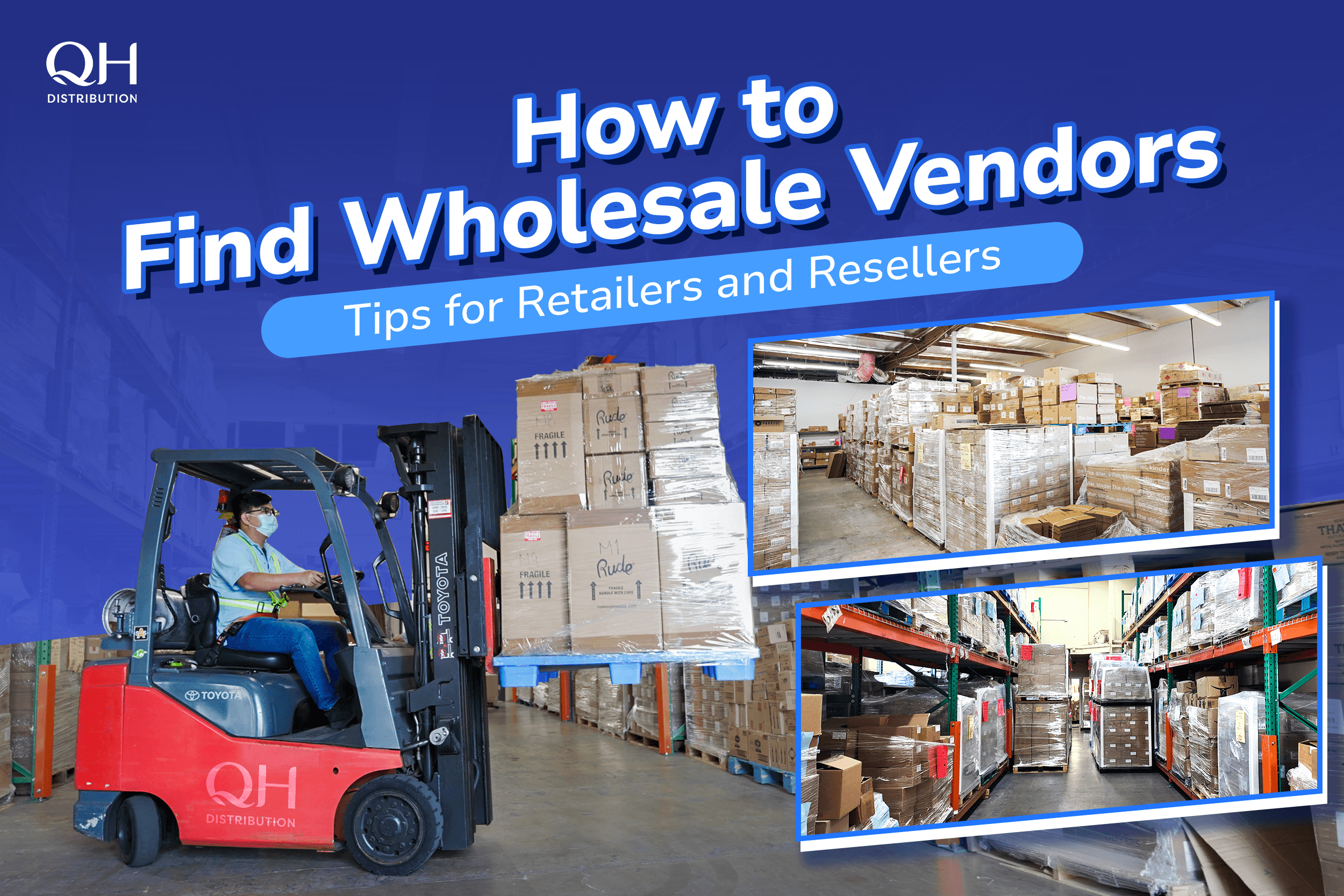
How to Find Wholesale Vendors: Tips for Retailers and Resellers
Find wholesale vendors can be challenging for retailers and resellers. With so many suppliers available online and offline, comparing prices alone is not enough. Businesses also need to consider product authenticity, inventory availability, shipping, and customer support.
The right vendor can help you maintain consistent inventory, manage purchasing costs, and build a reliable supply chain. In this post, QH Distribution will explain how to find wholesale vendors for long-term business growth.
What Is a Wholesale Vendor?
A wholesale vendor is a business that buys products from manufacturers, brands, or distributors and sells them in bulk at wholesale prices to retailers, resellers, and other businesses. The wholesale model became increasingly popular with the rise of mass production in the 19th century.
For example, a beauty retailer may work with a beauty wholesale vendor to source makeup, skincare, haircare, and personal care products. This allows the retailer to offer a wider product selection while simplifying the purchasing process.
However, vendors can differ in pricing, inventory, product sourcing, and fulfillment. Businesses should evaluate these factors carefully before placing a bulk order.
Why Choosing the Right Wholesale Vendor Matters
The right wholesale supplier can affect your inventory, purchasing costs, and customer experience. A reliable vendor should support your business not only with competitive pricing but also with consistent products and dependable service.
Product Quality and Authenticity
Product authenticity is especially important when sourcing branded beauty and personal care products. Selling counterfeit or unauthorized products can create financial and reputational risks for your business.
Before working with a vendor, check their company information, product sourcing, brand portfolio, and wholesale policies. Ask for relevant product information when necessary.
Competitive Wholesale Pricing
Wholesale pricing directly affects your potential profit margins. However, the lowest unit price does not always result in the lowest overall sourcing cost.
Compare the full cost of purchasing, including product price, shipping, minimum order quantities, payment terms, and applicable fees. This gives you a clearer picture of the actual cost of working with each vendor.
Consistent Product Availability
Consistent inventory helps retailers avoid stockouts and missed sales. This is particularly important for fast-moving products and seasonal campaigns.
Ask vendors about their current inventory, restocking process, and expected lead times. A supplier with clear inventory information can make purchasing and replenishment easier to manage.
Reliable Shipping and Customer Support
Shipping and fulfillment can directly affect inventory planning and customer satisfaction. Before choosing a vendor, check processing times, delivery options, shipping coverage, and potential delays.
Customer support also matters when orders involve multiple products or large quantities. A responsive supplier can make it easier to resolve order, inventory, or delivery issues.
How to Find Wholesale Vendors in 8 Proven Steps?
If you’re researching how to find wholesalers, where to find wholesale products, or where to find wholesale distributors, the following steps can help you build a more reliable sourcing process.
Step 1: Define Your Product Requirements
Start by identifying the products, brands, target customers, expected order quantities, budget, and preferred shipping locations. Clear requirements make it easier to filter suppliers that fit your business.
For beauty retailers, you may also want to define the product categories and brands you want to carry. This can help you avoid spending time on suppliers that don’t match your assortment.
Step 2: Search on Google and Use AI to Find Potential Vendors
Google and AI tools can help you create an initial list of potential wholesale vendors. Make your searches specific by including the product category, brand, location, or type of business you want to source from.
For example, you can search for:
- wholesale vendors for cosmetics
- beauty wholesale suppliers in the US
- wholesale vendors for retailers
- wholesale distributors for skincare products
- where to find wholesale beauty products
- authentic beauty product wholesalers
You can also use AI to organize your research and create a supplier evaluation checklist. For example, try this prompt:
“I run a beauty retail business and am looking for wholesale suppliers in [country/region]. Help me identify supplier types to consider and create a checklist for comparing pricing, MOQ, product authenticity, inventory, shipping, and payment terms.”
AI can make research faster, but don’t rely on AI recommendations alone. Verify each supplier’s company information, product sourcing, wholesale terms, and customer reviews before placing an order.
Step 3: Compare Manufacturers, Distributors, and Vendors
Different supplier types may suit different business models and purchasing volumes. Manufacturers may be suitable for businesses placing large orders, while distributors can help retailers source multiple brands through one supplier.
If you’re researching how to find wholesale vendors, compare the supplier’s product portfolio, pricing, inventory, MOQ, shipping, and services. The goal is to find a supplier that matches your purchasing needs.
Step 4: Verify Supplier Information
Before placing an order, check the vendor’s company information, business location, product sourcing, brand portfolio, customer reviews, and wholesale policies.
For branded beauty products, pay particular attention to product authenticity and sourcing practices. Don’t commit to a large order until you have enough information to assess the supplier.
Step 5: Compare Total Purchasing Costs
Don’t compare unit prices alone. Calculate the full sourcing cost by considering: Product cost + shipping + applicable fees = total sourcing cost
You should also review MOQ, volume discounts, lead time, and payment terms. A supplier with a higher unit price may still fit your business better if they offer manageable order quantities and dependable fulfillment.
Step 6: Check Inventory and Fulfillment Capacity
Ask potential vendors about:
- Current inventory
- Restocking frequency
- Lead times
- Order processing
- Shipping methods
- Large-order capacity
This information helps you determine whether the supplier can support both your current demand and future growth.
Step 7: Start With a Test Order
When you find wholesale vendors, before placing a large order, consider starting with a smaller purchase. A test order lets you evaluate product condition, order accuracy, shipping speed, communication, and customer service.
If the supplier meets your expectations, you can gradually increase your order volume. This approach can also help reduce inventory risk when working with a new vendor.
Step 8: Build a Long-Term Supplier Relationship
Once you find a reliable vendor, maintain clear communication about inventory needs, sales forecasts, promotions, and expected order volumes.
Regular communication can help both sides plan future orders more effectively. It can also give you better visibility into product availability and upcoming purchasing needs.
Common Mistakes When Find Wholesale Vendors
Choosing Based Only on Price
A low price does not always mean better value. Consider product quality, inventory, shipping, service, and total sourcing costs before choosing a supplier.
Buying Too Much Too Soon
Large orders from an untested supplier can increase inventory risk. Start with a manageable order and evaluate the vendor’s performance before committing to larger purchases.
Ignoring Minimum Order Quantities
A supplier may offer attractive pricing but require an order quantity that is too large for your business. Make sure the MOQ fits your expected demand, storage capacity, and purchasing budget.
Failing to Verify Product Authenticity
Unverified suppliers can create product quality and authenticity risks, particularly when sourcing branded cosmetics. Research the supplier and request relevant product or sourcing information before purchasing in bulk.
Overlooking Shipping and Lead Times
A good product at a good price may still create problems if it arrives too late. Consider shipping costs, processing times, delivery schedules, and potential delays when comparing suppliers.
Why Do Businesses Choose QH as Their Wholesale Partner?
Finding a vendor is only the first step. Businesses also need a wholesale partner that can support product sourcing, purchasing, and inventory needs as the business grows.
QH Distribution helps retailers, resellers, and other B2B buyers source beauty and cosmetic products from a broad portfolio of established brands. With 40+ years of industry experience and access to 290+ beauty brands, QH provides a centralized solution for beauty wholesale sourcing.
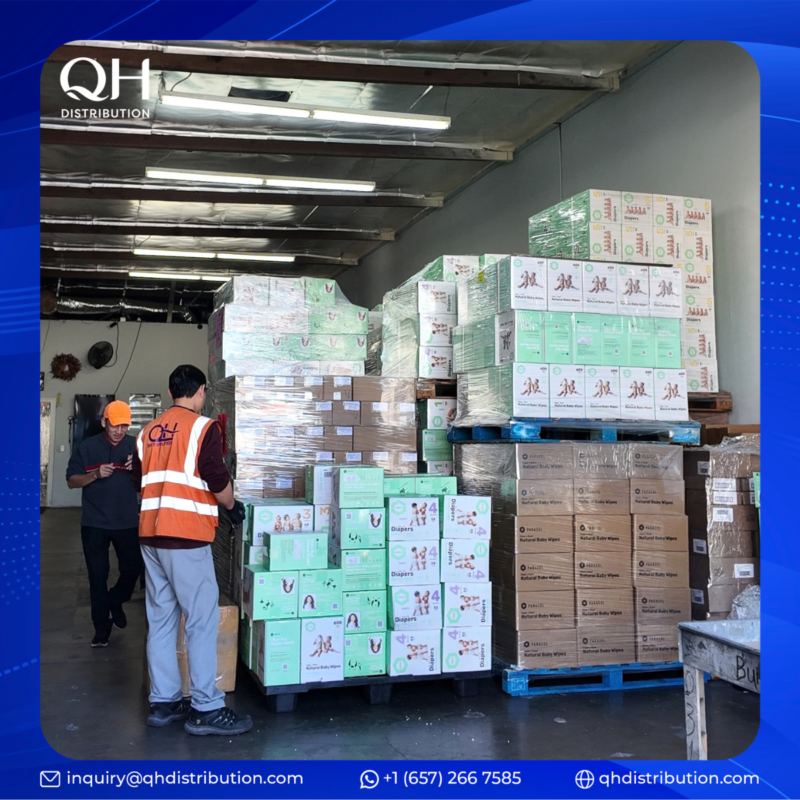
Instead of managing multiple supplier relationships, businesses can work with one experienced beauty wholesale distributor to explore products across different categories. QH also provides B2B-focused support throughout the purchasing process, including product sourcing, order processing, packaging solutions, and account support.
Knowing how to find wholesale vendors can help retailers and resellers make more informed sourcing decisions. Comparing authenticity, pricing, MOQ, inventory, fulfillment, and customer support can help businesses reduce sourcing risks and maintain more consistent inventory.
For beauty businesses, QH Distribution provides a centralized wholesale sourcing option across multiple beauty categories and brands. Explore QH Distribution’s wholesale solutions to find products that fit your business needs.